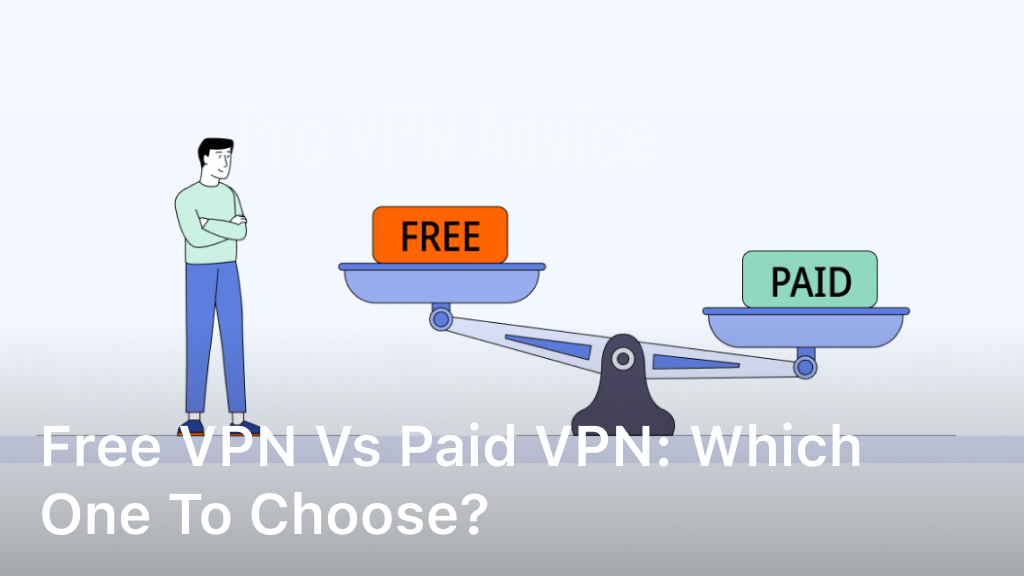
Welcome to our comprehensive guide comparing free VPN and paid VPN services. With the growing concerns about online privacy and security, more and more people are turning to VPNs to protect their digital footprint. But when it comes to choosing between a free or paid VPN, which option is right for you? In this article, we’ll walk you through the key differences, advantages, and limitations of each so that you can make an informed decision. So, whether you’re a casual internet user or a business professional, read on to find out which VPN solution suits your needs and priorities. Understanding the Cost Comparison When it comes to choosing a VPN service, cost is an important factor to consider. In this section, we will analyze the cost aspect of free VPNs versus paid VPNs, providing you with a comprehensive comparison to help you make an informed decision. Let’s delve into the pricing models and evaluate the overall value you can expect from each option. Pricing Models Free VPN services are enticing because, well, they’re free. However, this often comes at a price of its own. These free services typically generate revenue by displaying ads, collecting user data, or offering limited bandwidth and speed. On the other hand, paid VPN services usually offer various subscription plans, ranging from monthly to annual subscriptions, with prices that vary based on the features and levels of protection provided. Overall Value While free VPNs may seem like a budget-friendly option, it’s important to examine the value they provide. Paid VPN services, despite requiring a financial investment, often offer a higher level of security, greater server options, faster speeds, and reliable customer support. Additionally, many paid VPN providers prioritize user privacy and adhere to strict no-logs policies, ensuring that your online activities remain private and secure. Evaluating the Cost When comparing the cost of free VPNs and paid VPNs, consider the features and benefits that each option offers. Think about your specific needs and priorities. If you value enhanced security, faster speeds, and a wider range of server locations, a paid VPN might be the better choice. However, if you have minimal requirements and don’t mind potential limitations or privacy concerns, a free VPN could suffice. Features Free VPN Paid VPN Security May vary, limited Higher level, reliable Bandwidth Limited Unlimited Server Options Restricted Extensive Speed Inconsistent Fast Customer Support Limited 24/7 availability As you can see from the table above, paid VPNs generally offer superior features compared to free VPNs. However, keep in mind that every VPN provider is different, so it’s crucial to do thorough research and read reviews to ensure you choose a reliable and reputable service that aligns with your needs and budget. Pros and Cons of Free VPN Services Free VPN services offer convenient access to online privacy and security without the need for a monetary investment. However, it’s essential to consider both the advantages and disadvantages before opting for a free VPN. Let’s take a closer look: Pros of Free VPN Services: Cost: One of the main benefits of using a free VPN is that it doesn’t require any financial commitment. Users can enjoy basic VPN functionalities without paying a dime. Access to Blocked Content: Free VPNs can help bypass geo-restrictions, allowing users to access content that may be restricted in their region. Simple Setup: Free VPN services often provide easy-to-use applications, making it more accessible for users to set up and start using the service. Anonymous Browsing: Free VPNs can help protect your identity and maintain online privacy by encrypting your internet traffic and masking your IP address. Cons of Free VPN Services: Limited server options: Free VPN services typically offer a limited number of servers compared to their paid counterparts, resulting in slower connection speeds and potential overcrowding. Bandwidth Limitations: Many free VPNs impose data caps or restrict bandwidth usage, which can negatively impact your browsing experience and limit the amount of content you can access. Weak Security: Free VPNs may not provide the same level of robust security measures as paid VPN services, leaving your data vulnerable to potential breaches. Advertisements and Data Selling: Free VPNs often rely on advertising or selling user data to generate revenue, compromising your privacy and potentially exposing you to unwanted marketing practices. While free VPN services can provide a basic level of privacy and offer certain conveniences, they come with limitations and potential risks. To help you make an informed decision, here are some of the best free VPN services available: Free VPN Service Pros Cons NordVPN – User-friendly interface – Strong encryption – No data logging – Limited server locations – Slower speeds on free servers ProtonVPN – No data logging – User-friendly interface – Strong encryption – Limited servers on free plan – Slower speeds on free servers Windscribe – Generous free data allowance – Strong privacy features – No data logging – Limited access to servers – Ad-supported By understanding the pros and cons of free VPN services and exploring the best free options available, you can make an informed decision about whether a free VPN service is the right fit for your needs. However, it’s important to note that paid VPN services often offer enhanced security, reliable performance, and a wider range of features. In the next section, we’ll delve into the benefits of opting for paid VPN services. Benefits of Paid VPN Services When it comes to protecting your online privacy and security, opting for a paid VPN service comes with a range of benefits. By choosing a reputable provider, you gain access to enhanced security features, reliable performance, and additional advantages that free VPN services may not offer. Enhanced Security Features One of the primary advantages of a paid VPN is the level of security it provides. Paid VPN services often utilize robust encryption protocols to ensure that your data remains private and protected from potential cyber threats. Additionally, premium VPN providers regularly update their security measures to stay one step ahead of evolving online